How to Make an RNG Game on Roblox with AI
How to make an RNG game on Roblox with AI: the roll table and odds, rolling on the server, luck, the reveal, saving, and Roblox’s rules on showing odds.
 RoAutomation teamUpdated 7 min read
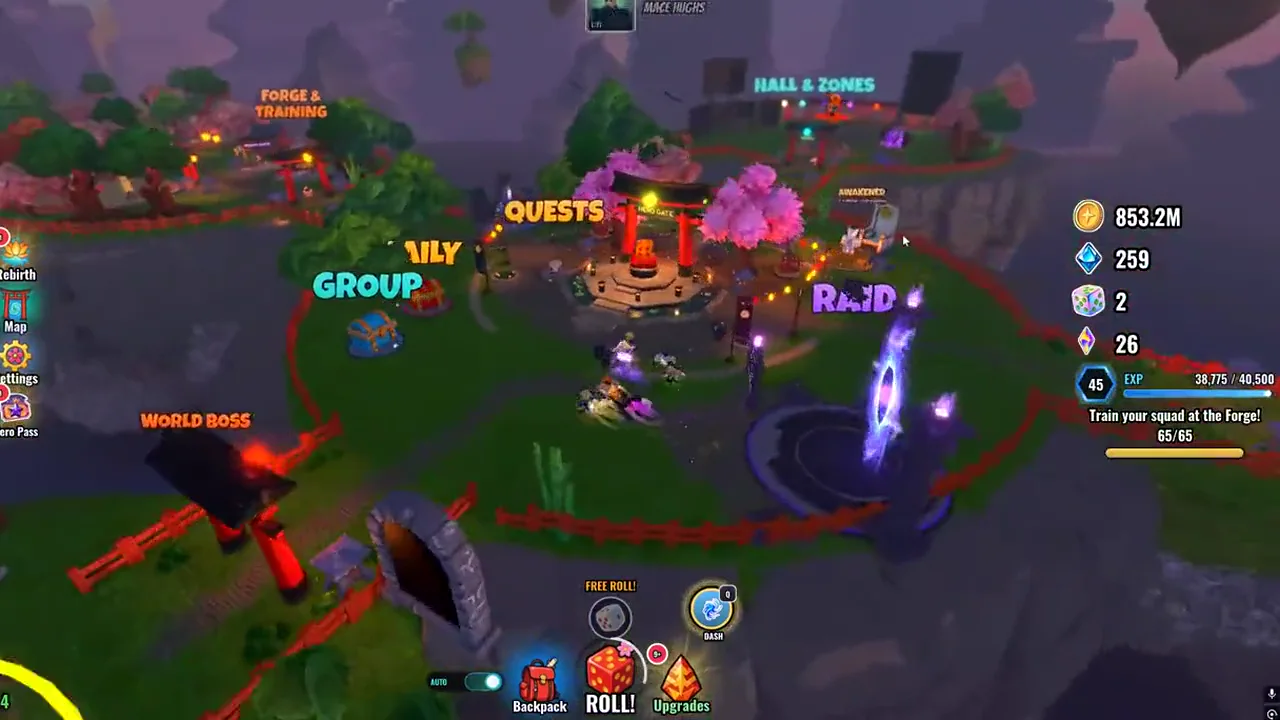
To make an RNG game on Roblox with AI, start with the roll table: every item, its tier and its odds as “1 in N”. Have the AI build the roll on the server, with luck applied there too, then a reveal that gets bigger with rarity, then an inventory that saves. Test the odds by simulating a million rolls, and give players something to do with what they roll. If any roll can be bought with Robux, Roblox requires you to show the real odds.
What is an RNG game on Roblox?
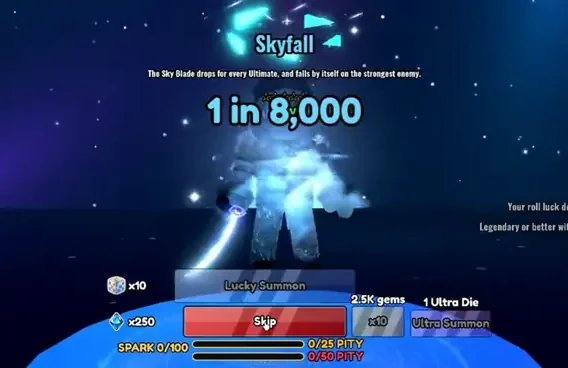
In an RNG game the main action is a roll. You press a button, the game picks something at random, and the screen tells you how rare it was: “1 in 8,000”. Players collect what they roll, show off the rare ones, and spend what they earn on luck so the next rare one comes sooner.
The genre is simple to describe and easy to get wrong. A roll button on its own is fun for about two minutes. The games that last give the roll a reveal worth waiting for, a collection worth filling, and something to do with what you rolled.
Step 1: Build the roll table before any code
The roll table is the game. Write it as a list the AI can turn into a config file: a name, a tier and the odds for every item. A small example to copy and change:
| Tier | Odds per item | How it should feel |
|---|---|---|
| Common | 1 in 2 to 1 in 8 | Every few seconds. No fanfare |
| Rare | 1 in 50 to 1 in 500 | A few in the first session. A short flash |
| Epic | 1 in 2,000 to 1 in 20,000 | One per session if you’re lucky. A real reveal |
| Legendary | 1 in 100,000 and up | A story to tell. The whole server hears about it |
Three decisions shape everything after it:
- How many items. Enough that the collection takes weeks, not so many that the art can’t keep up. The RNG game on this page was designed with 60 heroes across 7 tiers.
- The first rare roll. Decide when a new player should get one, then set the odds so it happens. That game’s plan was a roll in the first 10 seconds and a first awakening by minute three.
- What luck does. A luck multiplier of 2 should make a 1 in 8,000 item behave like 1 in 4,000. Write that sentence into the design so the AI builds it that way.
Step 2: Roll on the server
The client must never pick the result. A player who can tell the server what they rolled will roll the rarest item every time. The client sends “roll”, and the server does the rest:
- Check the cooldown on the server, so an auto-clicker can’t roll faster than the game allows.
- Work out the player’s luck from their upgrades, potions and passes.
- Go through the table from the rarest item to the commonest. For each one, draw a random number between 0 and 1, and if it is below luck divided by N, that item wins.
- If nothing wins, give the commonest item.
- Save it to the player’s data, then tell the client what to show.
A prompt that gets this: “Build the roll on the server in a RollService module. Read items from a RollTable config with a 1 in N for each. Apply the player’s luck multiplier on the server. Rate-limit rolls per player. The client only receives the result and plays the reveal.”
Step 3: Make the reveal match the rarity
The reveal is where an RNG game earns its replays. Scale it with the tier: a common item appears at once, a rare one gets a flash and a sound, and the rarest get a cutscene, the camera, the music and the odds in big text. Announce the biggest rolls to the whole server. Other players seeing it is half the reward.
Then protect the player’s time. Add a skip button, a quick-roll option and an auto-roll, because someone on their five-hundredth roll doesn’t want a three-second animation for a common.
Step 4: Inventory, collection and saving
- Inventory. What the player owns, with a way to equip and to lock favourites so they aren’t deleted by accident.
- Collection. A page of every item with silhouettes for the ones not found yet. An empty slot is a goal.
- Saving. Use DataStoreService, wrap loads and saves in pcall, and save on leaving, on server shutdown and on a timer. Never replace a save that failed to load with a blank one.
- Pity. A counter that guarantees a rare tier after a number of rolls without one. It softens bad luck and gives players a bar to fill.
Step 5: Give the rolls a purpose
This is the step most quick RNG games skip, and why players leave them. What you roll should do something:
- Fight with it. Heroes or weapons you roll are used in battles, bosses or raids.
- Wear it. Auras and titles other players see in the lobby.
- Upgrade it. Duplicates feed an evolution or an awakening, so even a repeat roll is progress.
- Earn with it. Rarer items earn the currency that buys luck.
Pick one or two and build them properly. A lobby where players stand around showing off auras is part of the game too, so give it somewhere worth standing.

Roblox’s rules on odds and paid rolls
Roblox has a policy for paid random items, and an RNG game sits right on it. As its docs read on 19 November 2026:
- If players can buy a random item with Robux, or with an in-game currency that can be bought with Robux, you must show all possible outcomes and the actual numerical odds.
- Odds must be shown as percentages that add up to 100%.
- This covers indirect purchases too, such as keys, re-roll tokens or spin tickets bought with Robux.
- A paid item that changes odds, like a luck potion, must be explained in numbers before purchase, and the shown odds must update while it is active.
- Free rolls earned by playing don’t have to show odds. Showing them anyway is good practice.
Build the odds screen into the game from the start. It is far easier than adding it after the shop exists. Roblox also restricts paid random items for some players, and its PolicyService tells your game which ones, so read the policy before you sell any.
An RNG game our agents built
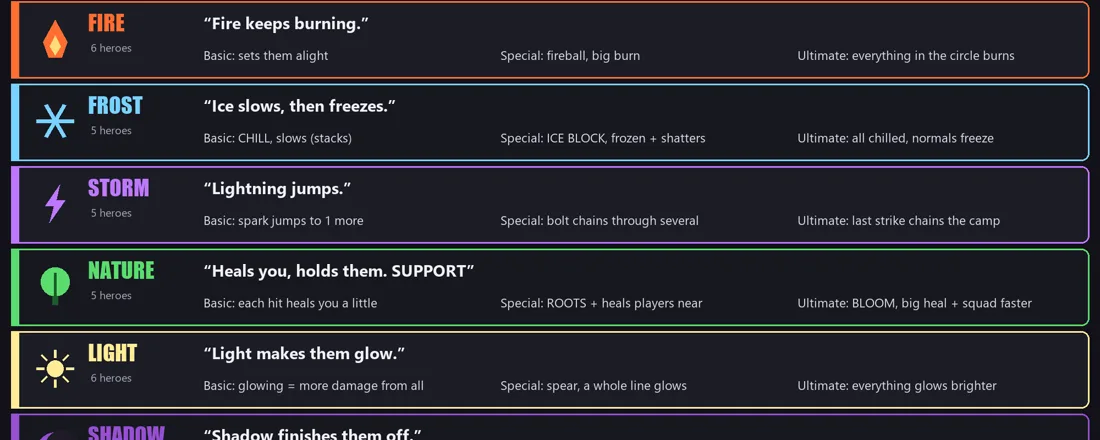
The pictures on this page are from an anime hero-rolling RNG that RoAutomation’s agents made: the rolls, the combat, the effects, the world and the UI. Its design had 60 heroes across 7 tiers, a roll in the first 10 seconds, an awakening by minute three and a shop of four passes. The rolls feed fights, weekly raids and a lobby built for showing off.
In RoAutomation, Architect writes the roll table and the first five minutes, Balance tunes the odds and the luck curve, Builder codes the roll on the server, Frame builds the reveal, and Playtest plays every build on PC and phone. Reviewer checks that rolls and purchases can’t be exploited.
Everything above works with any AI and Roblox Studio. To have a team do it, see the plans. If your RNG game is already live, the free Game Review will score it against its rivals.
Questions people ask
Can AI make an RNG game on Roblox?
Yes. AI can write the roll table, the server-side roll, luck, the reveal, the inventory and saving in Luau. Give it the full table and build one system at a time. The odds and the pacing still need a person, or a tester agent, to play and tune them.
How do odds work in a Roblox RNG game?
Each item has odds such as 1 in 8,000. The server draws random numbers and checks the rarest items first. A luck multiplier divides the N, so luck 2 makes a 1 in 8,000 item behave like 1 in 4,000.
Do I have to show the odds in my Roblox RNG game?
If a roll can be bought with Robux, or with a currency that can be bought with Robux, yes. Roblox’s policy requires all possible outcomes and their real odds, and paid luck boosts must be explained in numbers.
Why do players quit RNG games so fast?
Usually because rolling is all there is. Games that keep players give the rolls a purpose, such as fights, auras other players see, upgrades from duplicates and a collection to finish.
How do I stop exploiters in an RNG game?
Pick every result on the server, apply luck on the server, rate-limit rolls per player, and never accept an item or a number from the client.